
Last Updated: 10th April 2026
Why Outdated Safeguarding is Dangerous?
Outdated safeguarding puts people at risk. Explore UK statistics, legal duties and why keeping safeguarding training up to date is essential for protecting vulnerable individuals.
Safeguarding
Article
)
Safeguarding requires constant attention. Guidance changes, risks develop, and expectations from regulators continue to rise. When training or policies fall behind, organisations risk failing the very people they are responsible for protecting.
Safeguarding failures have serious consequences
When safeguarding practices are outdated, warning signs can be missed and action delayed.
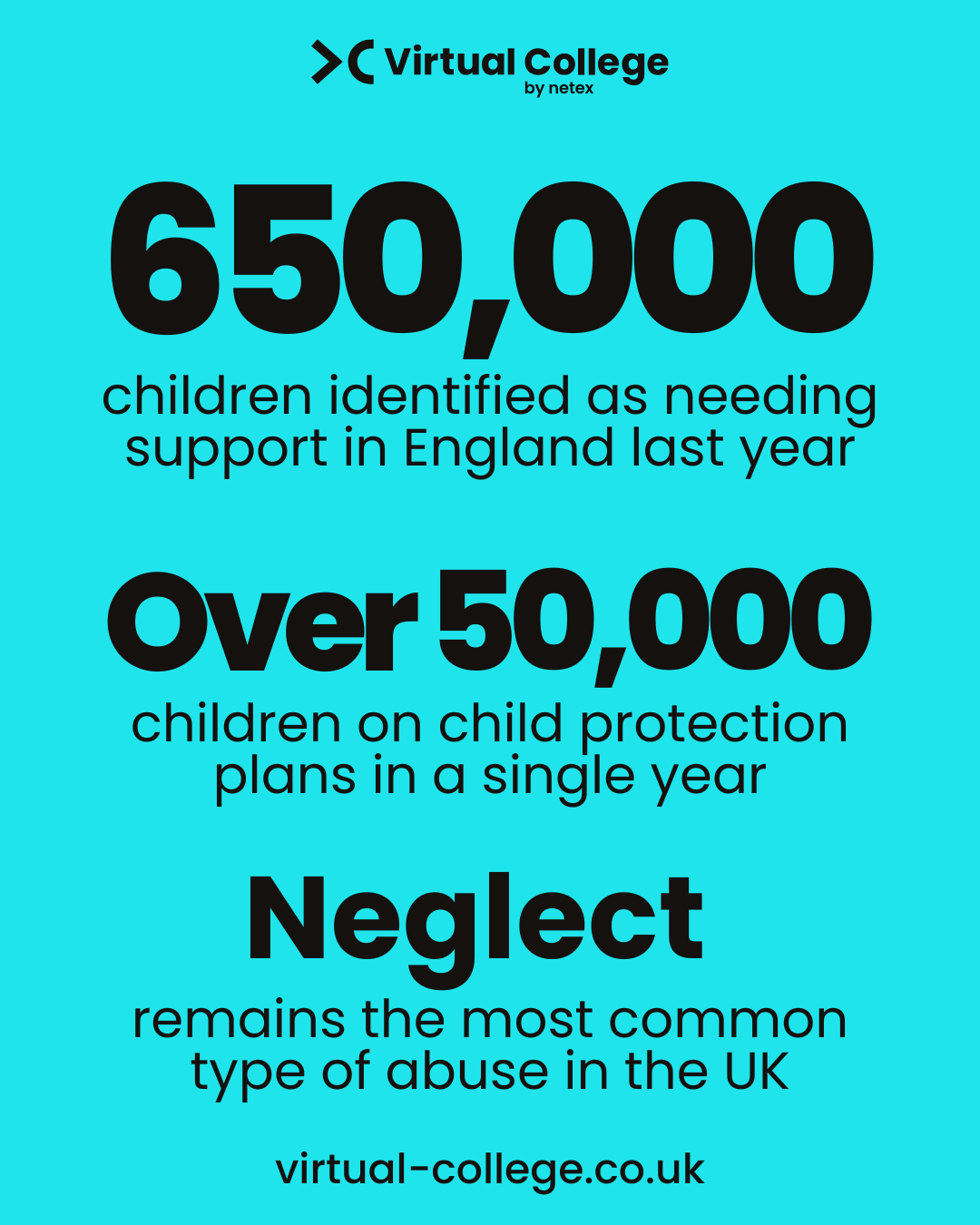
In England, the latest data shows there were over 650,000 children identified as needing support from local authorities in a single year.
At the same time, there were more than 50,000 children on child protection plans, highlighting the scale of risk faced by vulnerable individuals.
Serious Case Reviews and Child Safeguarding Practice Reviews consistently show that harm often occurs when concerns are not recognised early or acted on appropriately.
These findings point to a common issue. When knowledge is outdated, safeguarding responses are less effective.
The legal duty to keep safeguarding knowledge current
UK law places clear responsibilities on organisations to protect children and vulnerable adults.
Key legislation includes:
- The Children Act 1989 and 2004
- The Care Act 2014
- The Safeguarding Vulnerable Groups Act 2006
Statutory guidance such as Working Together to Safeguard Children makes it clear that professionals must be appropriately trained and competent in their roles.
Organisations that fail to meet these expectations can face enforcement action. Ofsted inspections regularly identify weaknesses in safeguarding practice, with some services rated inadequate where training and procedures are not up to date.
Outdated training leads to missed warning signs
Safeguarding depends on recognising risk early. Without up-to-date training, staff may:
- Fail to identify signs of abuse or neglect
- Be unsure when or how to report concerns
- Misunderstand current thresholds for intervention
- Lack confidence in handling disclosures
For example, neglect remains the most common category of abuse in the UK, yet it is also one of the hardest to identify without proper training and awareness.
When training is outdated, these subtle but critical indicators are more likely to be overlooked.
Risks are constantly evolving
Safeguarding today looks very different to even a few years ago.
Professionals must now understand risks such as:
- Online grooming and exploitation
- Cyberbullying and digital harm
- County lines and criminal exploitation
- Domestic abuse and its impact on children
The NSPCC reports that contacts to its helpline about online safety concerns have increased significantly in recent years, reflecting the growing complexity of safeguarding in a digital world.
Without regular updates, training quickly becomes disconnected from these emerging threats.
Organisational gaps increase risk
Outdated safeguarding is often linked to wider organisational issues such as poor governance or lack of oversight.
The Charity Commission has repeatedly warned that safeguarding remains a key area of concern, with some organisations failing to implement basic protective measures.
When policies are not reviewed and training is not refreshed, safeguarding can become inconsistent or ineffective across teams.
The cost of getting it wrong
Failing to keep safeguarding up to date can result in:
- Increased risk of harm to vulnerable individuals
- Regulatory action or legal consequences
- Damage to organisational reputation
- Loss of trust from service users and the public
More importantly, it can mean missed opportunities to intervene early and prevent harm.
Keeping safeguarding effective
Safeguarding must be an ongoing process. Regular training, policy reviews, and clear communication are essential to ensure that staff remain confident and capable.
Organisations that prioritise up-to-date safeguarding are better equipped to:
- Recognise and respond to concerns quickly
- Meet legal and regulatory requirements
- Create safer environments for everyone
Keeping up to date is vital
Outdated safeguarding is dangerous because it creates gaps in knowledge and practice. In a field where early action can make a critical difference, those gaps can have serious consequences.
Keeping safeguarding training current is not just about compliance. It is about ensuring that the right decisions are made at the right time to protect those who need it most.